The Cognac region
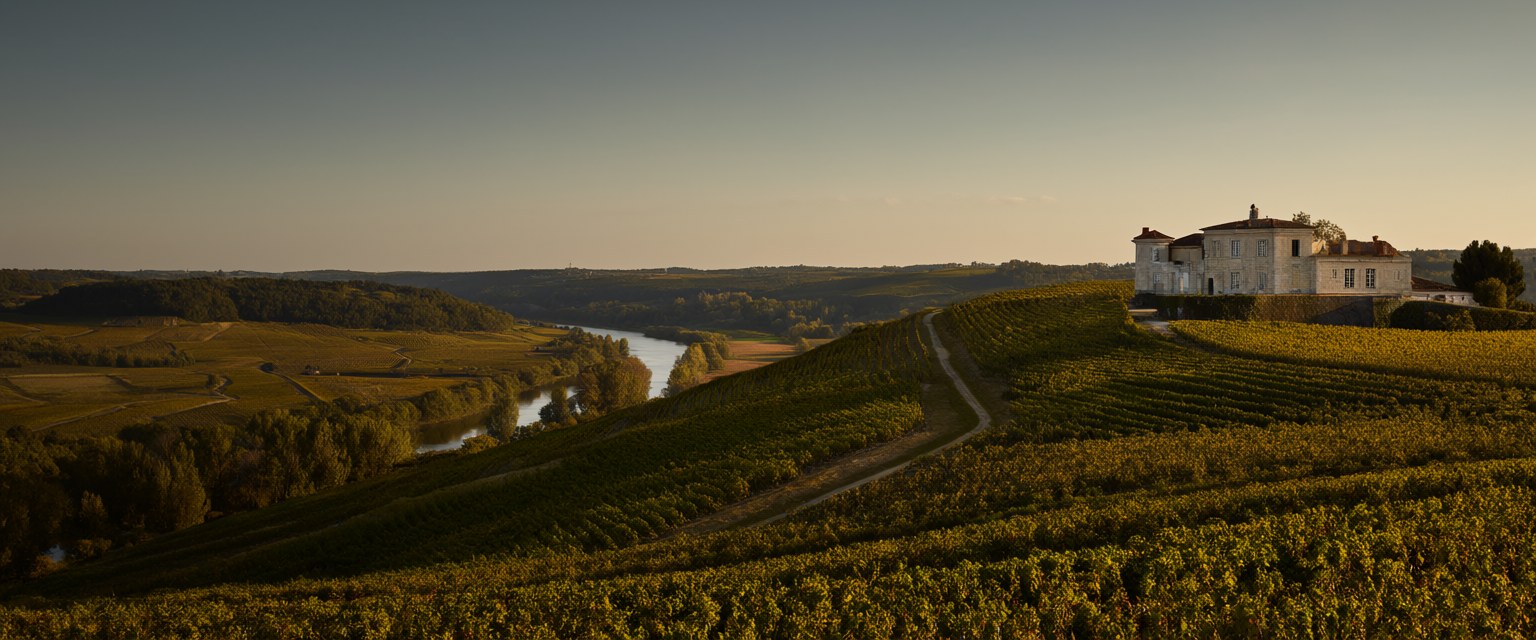
Only a spirit made in the defined Cognac region, mainly in the Charente and Charente-Maritime departments, may be called cognac. Wine made from the grapes is distilled twice in a copper alembic, and the resulting eau-de-vie ages in oak casks for at least two years. Every step is strictly regulated, so that cognac remains truly a spirit of its homeland.
Six growing areas
The region is divided into six growing areas, or crus, arranged like concentric rings around Grande Champagne. The closer a growing area is to the centre, and the more chalk there is in the soil, the more refined and long-lived its eaux-de-vie.
- Grande Champagne — the heart of the region, with the most refined and long-lived eaux-de-vie.
- Petite Champagne — elegant and floral, Grande Champagne’s closest neighbour.
- Borderies — the smallest growing area, with round eaux-de-vie and notes of violet and nuts.
- Fins Bois — the largest growing area, with fruity, quick-maturing eaux-de-vie.
- Bons Bois — earthy and rustic in character.
- Bois Ordinaires — by the ocean and on the islands, with a maritime character.
Why origin matters
Soil, climate and microclimate influence the grapes and, through them, the aroma of the eau-de-vie and how long it can mature in cask. That is why two cognacs from different growing areas made by the same house can have entirely different characters. Knowing the growing areas helps you understand why one cognac is floral and delicate while another is fruity and lively — and to find the style you like.